
How Much Do I Have To Make My New Mother In Law Happy During The Wedding Planning?
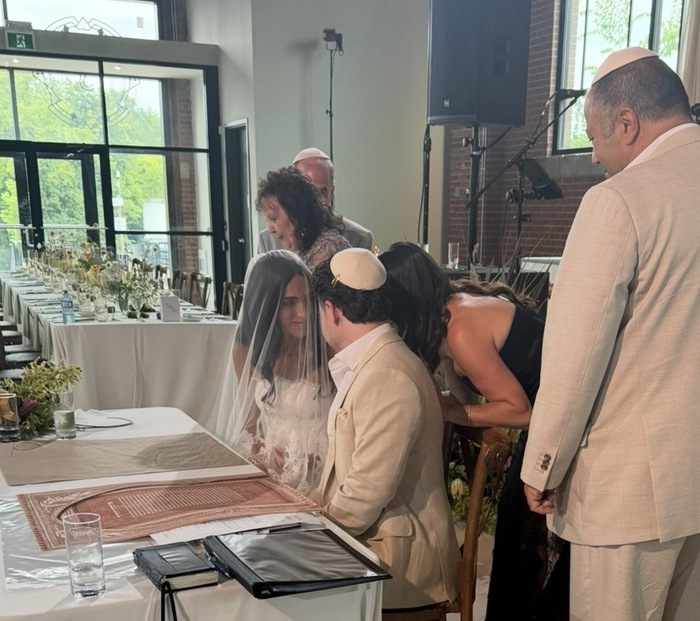
Wedding planning should bring a couple closer together.
Yet for many engaged couples, it can suddenly feel as though they are planning a wedding for everyone except themselves.
A new mother in law may have strong opinions about the Jewish Wedding Venue, guest list, menu, music, ceremony, invitations, traditions, and even the time the Jewish Wedding Reception should end.
That raises an important question.
How much do you have to make your new mother in law happy during the wedding planning?
My answer is simple.
You should:
Treat her with respect.
Listen sincerely.
Look for thoughtful ways to include her.
But you do not have to surrender your entire wedding.
Your marriage belongs to the two of you.
Your ceremony should reflect your values, personalities, and relationship.
The goal is not to win every disagreement.
It is to create healthy boundaries without beginning your marriage with unnecessary resentment.
This reminds me of Judy and Mark, a wonderful Jewish couple from Toronto whom I had the privilege of getting to know and marry.
When Wedding Planning Becomes Family Planning
Judy and Mark were excited about creating a warm and personal Jewish Wedding Toronto celebration.
They wanted:
Meaningful Jewish Wedding Traditions.
Beautiful Jewish Wedding Music.
Family stories.
Laughter.
A ceremony that felt like them.
Mark’s mother also had a detailed vision.
She preferred:
A more formal Jewish Wedding Venue.
Particular Jewish Wedding Invitations.
She also had opinions about:
The Jewish Wedding Decorations.
Jewish Wedding Attire.
The guest list.
The meal.
The Jewish Wedding Photographer.
None of her suggestions were unreasonable by themselves.
The problem was that Judy started feeling as though every decision required approval.
The wedding was becoming a test of whether she could keep her future mother in law happy.
That is not a healthy foundation for Jewish Wedding Planning.
Your Mother In Law Is Usually Expressing Something Deeper
Strong opinions are often about more than flowers or food.
A mother may:
See her child’s wedding as an important family milestone.
Have imagined the day for years.
Be thinking about family expectations.
Be thinking about Jewish Wedding Customs.
Be thinking about relatives, reputation, tradition, or her changing role in her child’s life.
Understanding that emotional layer can help couples respond with compassion.
It does not mean every request must be accepted.
It means the conversation should begin with curiosity rather than defensiveness.
Instead of saying, “This is our wedding, so stay out of it,”
try asking, “Which parts of the wedding feel most important to you, and why?”
Her answer may reveal that she does not need control over everything.
She may simply want to feel included.
Respect Is Not The Same As Obedience
You can respect your new mother in law without giving her the final word.
Healthy respect sounds like this:
“We value your experience.” “We want to hear your thoughts.” “We would love to include something meaningful to you.” “We are going to make the final decision together.”
That final sentence matters.
A couple should make important wedding decisions as a team.
This is excellent preparation for marriage because the same issue will appear again.
Where will you live?
How will holidays be divided?
How often will you visit each family?
What happens if you later plan a baby naming ceremony?
Marriage requires couples to build a loving boundary around their relationship while remaining connected to family.
Decide What Is Flexible And What Is Not
Before involving parents in every detail, the couple should privately identify three categories.
First, what is essential?
These are the choices that reflect your deepest values.
Perhaps you want:
A personal Jewish Wedding Ceremony.
A specific Jewish Wedding Cantor.
Meaningful storytelling.
Particular Jewish Wedding Rituals.
Second, what is flexible?
You may not care strongly about:
Table linens.
Appetizers.
Jewish Wedding Decorations.
Some parts of the Jewish Wedding Reception.
Third, what can you offer as a gift?
Perhaps your future mother in law can:
Help select Jewish Wedding Invitations.
Choose one reading.
Participate in the Jewish Wedding Chuppah.
Help honour a family tradition.
Giving someone a meaningful role often reduces their need to control every role.
What Judy And Mark Did
Judy and Mark realized that they had been discussing every disagreement separately.
They needed one clear approach.
They decided that the ceremony would remain personal and would reflect their relationship.
They wanted Modern Jewish Weddings to feel connected to tradition without becoming impersonal.
They chose which Jewish Wedding Traditions mattered most, including:
The Jewish Wedding Ketubah.
Blessings.
The chuppah.
Breaking of the glass.
Meaningful family participation.
They then invited Mark’s mother to help with areas where her input would be valuable.
She:
Helped identify important relatives for photographs.
Contributed ideas for part of the Jewish Wedding Reception.
Helped choose a family tradition to acknowledge during the ceremony.
Once she felt included, the tension decreased.
Judy no longer felt that she had disappeared from her own wedding.
Mark no longer felt trapped between his partner and his mother.
Your Partner Must Help Set The Boundary
A bride should not be left alone to manage conflict with her future mother in law.
The adult child should take the lead in communicating boundaries to their own parent.
Mark needed to speak with his mother.
The message was not,
“Judy will not let you do this.”
That would have unfairly made Judy the problem.
The message was,
“We have decided together.”
That phrase protects the couple.
It:
Shows unity.
Prevents one partner from using the other as an excuse.
A strong marriage begins when both people learn to stand together respectfully.
The Ceremony Must Belong To The Couple
I was mentored by a great Jewish wedding Rabbi.
One of the most important lessons I learned was that a ceremony should never feel as though it could belong to any couple.
As a Jewish Wedding Officiant, I spend time getting to know the people I am marrying.
I learn:
How they met.
What they admire in each other.
What makes them laugh.
What challenges they have overcome.
What kind of marriage they hope to build.
I then weave those details into the Jewish Wedding Ceremony.
That is the experience Judy and Mark wanted.
Their guests heard their story.
Their parents felt recognized.
The Jewish Wedding Vows, blessings, music, and family memories all worked together.
It did not feel like a performance created to satisfy a checklist.
It felt like Judy and Mark.
Why Couples Choose My Jewish Wedding Services
There are many people who can perform Jewish Wedding Services.
My approach is different.
I combine:
Jewish knowledge.
Personal storytelling.
Beautiful cantorial singing.
Calm guidance.
Relationship coaching.
I help couples understand Traditional Jewish Weddings while creating Modern Jewish Weddings that feel personal and welcoming.
I explain Jewish Wedding Rituals and Jewish Wedding Customs so that couples are never simply following instructions without knowing why.
I also help manage sensitive family dynamics before they become ceremony day problems.
That is what separates a meaningful wedding experience from a generic ceremony.
Do Not Sacrifice The Joy Of The Celebration
Your wedding includes many exciting moments.
The Jewish Wedding Dance.
The Jewish Wedding Hora.
The photographs.
The music.
The speeches.
The Jewish Wedding Celebrations shared with family and friends.
Your future mother in law should be able to enjoy those moments too.
But her happiness cannot depend on controlling every decision.
Sometimes she may be disappointed.
Disappointment is not disrespect.
You can make a loving decision that another person would not have chosen.
That is part of becoming an adult couple.
The Relationship May Continue For Generations
One of the greatest privileges of my work is remaining connected to couples as their families grow.
Some later contact me about a Baby naming ceremony or search for a Baby naming ceremony Jewish families can personalize.
I may:
Provide Jewish Baby Naming Services.
Lead Jewish Baby Naming Rituals.
Create a Jewish Newborn Ceremony.
Serve as a Jewish Baby Naming Officiant.
I also help families understand:
A Jewish Baby Naming Tradition.
Plan a Jewish Baby Naming Celebration.
Jewish Baby Naming Ceremony Planning.
A Jewish Baby Naming Invitation.
Jewish Baby Naming Ceremony Music.
A Jewish Baby Naming Reception.
Other meaningful Jewish newborn ceremonies.
The boundaries couples establish during wedding planning can help them navigate these future family milestones with far greater confidence.
A Final Thought
You should care about your new mother in law’s feelings.
You should:
Listen.
Show gratitude.
Find meaningful ways to include her.
But you do not have to hand her your wedding.
Judy and Mark created a celebration that honoured their families without losing themselves.
That is the balance every couple should seek.
Your wedding is one day.
Your marriage is the life you are building afterward.
Choose a Jewish Wedding Cantor who understands that the strongest ceremonies do more than honour tradition.
They help couples begin their marriage with:
Unity.
Confidence.
Compassion.
Healthy boundaries.


Comments