
How Do We Honor Divorced Parents at Our Jewish Wedding Without Creating Awkwardness?
- Ben Silverberg
- 4 days ago
- 5 min read
Few topics create more stress during Jewish Wedding Planning than navigating family dynamics.
The flowers can be chosen.
The venue can be booked.
The invitations can be mailed.
But when divorced parents are involved, many couples quietly worry about something much deeper.
“What if someone feels left out?”
“What if there is tension?”
“What if old wounds resurface?”
“What if our wedding becomes uncomfortable?”
If these questions sound familiar, you are not alone.
In fact, this is one of the most common and emotional concerns I hear from couples.
One couple that comes to mind is Jason and Cindy from Toronto.
Their wedding was beautiful, meaningful, and filled with love.
But before the big day arrived, there was one challenge weighing heavily on them.
Both came from divorced families.
And they desperately wanted everyone to feel respected, included, and comfortable.
The Real Goal Is Not Perfection
When people think about family dynamics, they often focus on avoiding conflict.
While that is understandable, I believe the deeper goal is something else.
The goal is creating an atmosphere of dignity.
The goal is helping everyone feel seen.
The goal is reminding people why they are there.
They are there because they love the couple.
They are there to celebrate a new beginning.
That perspective helped Jason and Cindy tremendously.
The Wedding Is About Connection
One of the first conversations we had was simple.
I reminded them that their Jewish Wedding Ceremony was not a reunion.
It was not a mediation session.
It was not an opportunity to revisit old disagreements.
It was a celebration of love.
Once they embraced that mindset, many decisions became easier.
Instead of asking, “How do we keep everyone happy?”
They began asking, “How do we help everyone feel respected?”
That small shift changed everything.
Creating Roles for Parents
One of the most effective ways to honor divorced parents is through meaningful participation.
Jewish Wedding Traditions provide many opportunities for family involvement.
Parents can escort their children.
Parents can participate during the signing of the Jewish Wedding Ketubah.
Parents can share blessings.
Parents can stand proudly beside their children during important moments.
At Jason and Cindy’s wedding, each parent had a role that reflected their importance in the couple’s lives.
Nobody was competing.
Nobody was being ranked.
Everyone was being honored.
The Power of the Chuppah
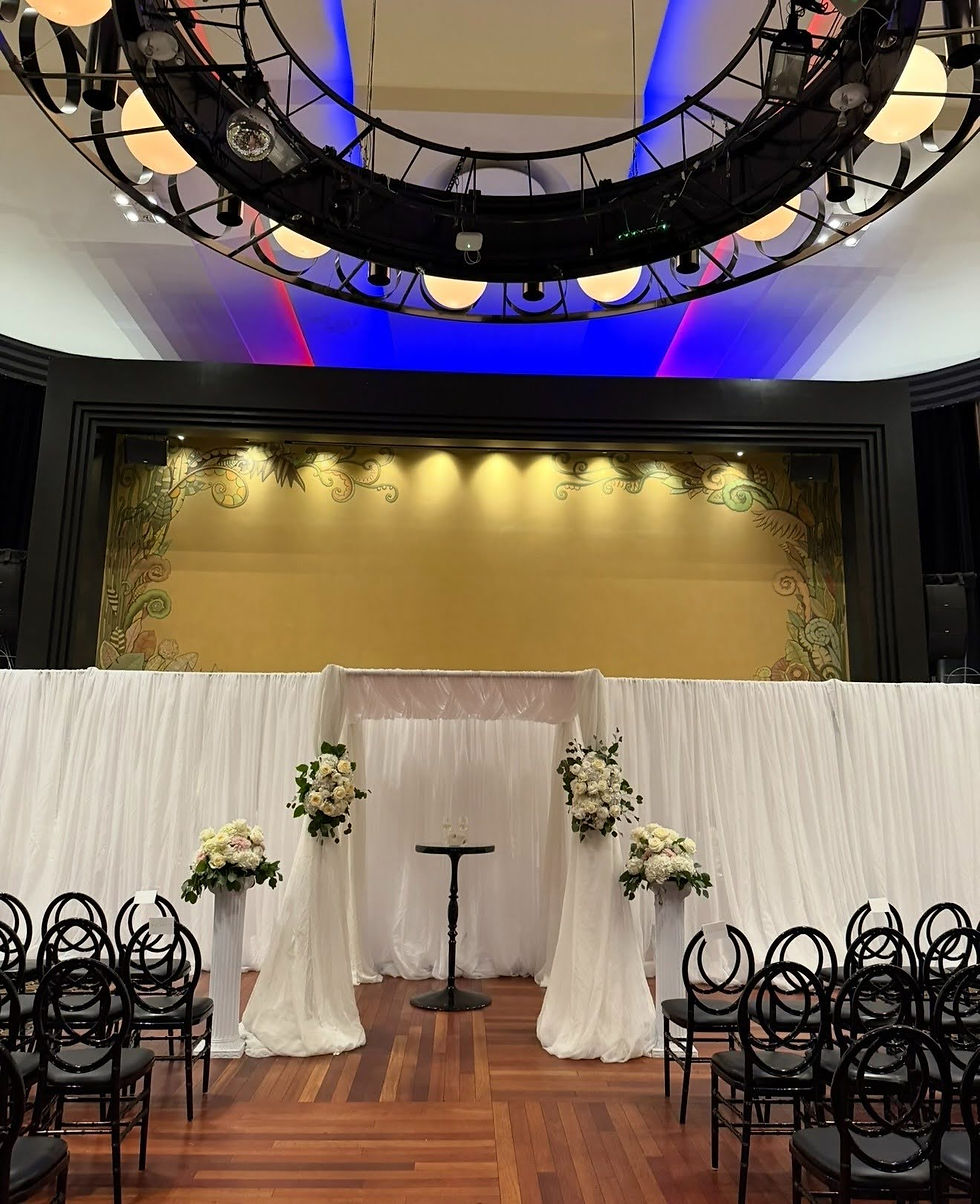
The Jewish Wedding Chuppah is one of the most beautiful symbols in Jewish life.
It represents the home the couple will build together.
What I love most about the chuppah is that it reminds everyone of something important.
The future matters more than the past.
As Jason and Cindy stood beneath the chuppah, the focus shifted away from family history and toward family legacy.
Everyone present became part of a new chapter.
That is the true power of Jewish Wedding Rituals.
Communication Solves Most Problems
Many couples avoid difficult conversations because they fear creating tension.
In reality, clear communication often reduces tension.
I encourage couples to speak with parents well before the wedding.
Explain the plan.
Discuss expectations.
Answer questions.
Listen respectfully.
When people understand what is happening and why, they are much more likely to feel comfortable.
This approach helped Jason and Cindy avoid misunderstandings and unnecessary surprises.
Keeping the Ceremony Personal
One of the reasons I love officiating weddings is the opportunity to tell a couple’s story.
As a Jewish Wedding Officiant and Jewish Wedding Cantor, I spend time learning about the relationship.
How did they meet?
What qualities do they admire in one another?
What challenges have they overcome?
Why are they choosing marriage?
At Jason and Cindy’s wedding, sharing their story helped everyone reconnect with what truly mattered.
The focus became their love rather than family complications.
Family Blessings Can Be Powerful
One of my favorite traditions involves inviting parents to participate in blessings before the ceremony.
Sometimes parents whisper private messages into their child’s ear.
Sometimes they share hopes for the future.
Sometimes they simply offer love and encouragement.
These moments often become some of the most meaningful memories of the day.
Even family members who may have experienced difficulties in the past often find themselves united around their shared love for the bride or groom.
Modern Jewish Weddings Allow Flexibility
Modern Jewish Weddings offer tremendous flexibility.
There is no single formula that every family must follow.
Some couples choose traditional approaches.
Others create more customized experiences.
The beauty of Jewish Wedding Customs is that they can be adapted thoughtfully while preserving their meaning.
Every family is unique.
Every story is unique.
Every ceremony should reflect that reality.
Guests Follow Your Lead
One thing I often tell couples is that guests take emotional cues from the bride and groom.
If the couple is relaxed, guests relax.
If the couple focuses on gratitude, guests focus on gratitude.
If the couple celebrates family, guests celebrate family.
Jason and Cindy made a conscious decision to lead with appreciation.
That decision influenced the entire atmosphere of the day.
Beyond the Wedding Day
The lessons learned during wedding planning often continue long after the wedding itself.
Marriage requires communication.
It requires empathy.
It requires understanding.
The same skills that help navigate family relationships before a wedding often strengthen relationships afterward.
These principles become especially important as couples eventually welcome children and celebrate milestones such as a baby naming ceremony, Baby Naming Ceremony Jewish celebrations, Jewish Newborn Ceremonies, Jewish Baby Naming Services, Jewish Baby Naming Rituals, Jewish Baby Naming Celebration gatherings, Jewish Baby Naming Ceremony Planning discussions, and other meaningful family events.
Building bridges today creates stronger family connections tomorrow.
The Beauty of Shared Celebration
At the Jewish Wedding Reception, something wonderful often happens.
People who may not regularly spend time together find themselves laughing, talking, dancing, and celebrating.
The Jewish Wedding Hora becomes less about family divisions and more about shared joy.
The Jewish Wedding Dance floor becomes a place where memories are created.
The wedding reminds everyone that despite differences, there is still much that connects them.
A Final Thought
I was mentored by a great Jewish wedding Rabbi, and one lesson has stayed with me throughout my career.
The strongest families are not families without challenges.
The strongest families are families that choose love despite challenges.
Jason and Cindy’s Jewish Wedding Toronto celebration was not beautiful because everything was perfect.
It was beautiful because everyone chose to focus on what mattered most.
Love.
Commitment.
Family.
Hope.
If you are planning a wedding with divorced parents, remember this.
You do not need perfection.
You need kindness.
You need communication.
You need respect.
Most importantly, you need to keep your attention where it belongs.
On the two people standing beneath the chuppah and beginning the next chapter of their lives together.
That is where the true magic of a Jewish Wedding Ceremony is found.


Comments